


Guiding Your Child’s Growing Smile: The Benefits Of Early Braces Evaluation
Evaluating a child’s bite development around age seven allows pediatric specialists to guide bone growth before complex structural alignment issues harden. Early interceptive orthodontics prevents severe crowding, expands narrow arches, and simplifies future alignment procedures. Timely structural care lays a resilient foundation for long-term oral health.
Have you wondered when your young child should undergo their first structural bite screening? At Cochran, Soares, and Associates Pediatric Dentistry, our clinical team recommends an early interceptive orthodontic evaluation between ages seven and nine. Developing jaws possess unique flexibility that allows specialists to guide bone expansion before permanent growth plates fuse. Early intervention effectively addresses severe pediatric malocclusion, or misaligned bite relationships between the upper and lower teeth. Addressing structural narrowness early creates proper space for emerging permanent teeth. Families living throughout Julington Creek Plantation and Bartram Park benefit from proactive assessments that protect developing smiles.
Bone Remodeling Science and Early Jaw Expansion
During early childhood growth, jaw bones remain highly responsive to gentle, continuous pressure from custom interceptive appliances, specialized devices designed to guide bone expansion and jaw alignment. Widening a narrow upper jaw creates space for crowding adult teeth while correcting crossbites. Placing space maintainers, custom metal arches anchored to primary molars, prevents neighboring teeth from drifting into open gaps left by premature baby tooth loss.
Preserving open arch length allows permanent teeth to erupt naturally without severe impaction. A comprehensive caries risk assessment and structured evaluation of decay vulnerability help keep enamel healthy throughout active appliance wear. Guiding natural facial development early minimizes the need for surgical corrections or permanent tooth extractions during teenage years.
Comparing Phase 1 Interceptive Care and Comprehensive Phase 2 Orthodontics
| Treatment Aspect | Phase 1 Interceptive Care (Ages 7 to 9) | Phase 2 Comprehensive Orthodontics (Teens) |
| Primary Objective | Guide jawbone growth and expand dental arches | Align permanent tooth positions and refine bite contact |
| Main Appliances Used | Palatal expanders, partial brackets, and space maintainers | Full bracket systems or transparent aligner trays |
| Biological Target | Malleable bone structures and primary or mixed teeth | Fully erupted permanent teeth and mature jaw bones |
| Treatment Duration | Typically nine to twelve months | Usually eighteen to twenty-four months |
Key Advantages of Early Orthodontic Interventions
- Screening children by age seven identifies structural jaw narrowness before permanent teeth erupt.
- Custom expansion devices create space, reducing the risk of painful tooth impactions.
- Interceptive care simplifies or shortens future teenage orthodontic treatment times.
- Correcting bite alignment early improves speech articulation and chewing mechanics.
- Preventing uneven enamel wear protects permanent teeth from long-term structural damage.
Common Questions About Phase 1 Orthodontics
Noticing asymmetrical jaw growth or crowding in a young child often causes parents to question whether early treatment is truly necessary. Many caregivers worry about introducing appliances too soon or causing unnecessary physical discomfort for their young child. Gentle clinical guidance clarifies developmental milestones, helping families make confident decisions regarding early bite correction. The following answers address frequent questions regarding early orthodontic evaluations and Phase 1 treatments.
Why is age seven recommended for a first orthodontic evaluation?
By age seven, first permanent molars erupt to establish the back bite and highlight potential structural alignment issues. Parents living near Nocatee can rest assured that an initial screening rarely means immediate braces are required. Early diagnostic evaluations simply allow specialists to monitor jaw development and intervene only when biologically optimal.
How do early interceptive appliances prevent permanent tooth extractions?
Expanding narrow jaw arches while bones are still growing creates essential physical space for larger adult teeth to erupt naturally. Families commuting near Bartram Park appreciate that widening upper structures early avoids severe crowding problems later. Maximizing available bone space significantly lowers the probability of needing permanent tooth extractions during adolescent orthodontic care.
Will my child still need braces as a teenager after completing Phase 1 treatment?
Most children who complete early interceptive care still require Phase 2 treatment to finalize individual permanent tooth alignment. Our compassionate clinical team makes adolescent treatment faster and less invasive thanks to early structural preparation. Completing early arch expansion sets up a smoother, more stable final alignment phase later in life.
Schedule Your Phase 1 Orthodontic Consultation in Jacksonville
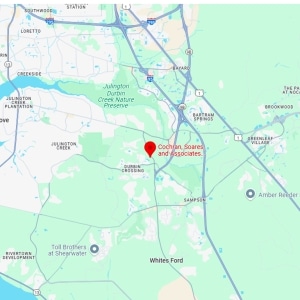
Families living near the State Road 9B interchange or traveling along the Bayberry Road and Philips Highway corridor can easily reach our practice. Conveniently situated near the St. Johns Parkway, Durbin Park, and the St. Johns Town Center area, our office provides comprehensive developmental screenings in a warm environment. Contact Cochran, Soares, and Associates Pediatric Dentistry today to schedule an early orthodontic evaluation for your child.