



Calm, Supportive, And Gentle: Creating Positive Dental Experiences For Kids With Sensory Needs
Creating a soothing dental environment helps children with sensory sensitivities receive essential oral care comfortably. Specialized desensitization protocols and gentle behavioral techniques minimize stress during routine appointments. Mindful pediatric dental accommodations build trust, protect long-term oral health, and support neurodiverse patients through every developmental milestone.
Navigating dental visits can feel overwhelming for parents of neurodiverse children or those with sensory processing differences. At Cochran, Soares, and Associates Pediatric Dentistry, our clinical team designs custom appointments around your child’s unique physical and emotional comfort. Bright overhead lights, hums of clinical equipment, and unexpected textures can trigger anxiety during routine care. Desensitization protocols, which involve gradual exposure to clinical tools and smells in a predictable environment, help young patients build trust at their own pace. Caregivers living near Julington Creek Plantation and Mandarin value our compassionate approach to gentle pediatric dentistry. Through thoughtful preparation, every child receives essential preventive care without feeling overwhelmed.
Biological and Behavioral Science of Sensory-Mindful Dental Care
Children with sensory processing sensitivities often react more strongly to tactile, auditory, and visual input. Unmanaged stress during early visits can lead to missed preventative appointments, increasing the likelihood of unmanaged decay. Completing a thorough caries risk assessment, a clinical evaluation that measures plaque levels and dietary factors to predict cavity risk, allows our doctors to tailor treatments accurately.
When restorative interventions like a pulpotomy, the gentle removal of compromised nerve tissue inside a baby tooth, become necessary, maintaining a calm atmosphere is vital. Protecting baby teeth through deciduous tooth preservation maintains space for adult teeth and supports proper speech development. Utilizing mild nitrous oxide sedation, a safe inhaled gas that promotes relaxation while keeping children awake, ensures smooth care during longer procedures. Securing treated teeth with durable stainless steel crowns protects compromised enamel without requiring multiple complex follow-up visits.
Comparing Sensory-Friendly Accommodations and Traditional Clinical Environments
| Clinical Feature | Traditional Pediatric Setup | Sensory-Mindful Accommodation |
| Lighting and Sound | Standard bright overhead lighting and active clinic noise | Dimmed soft lighting, noise-canceling headphones, and quiet rooms |
| Care Pacing | Standard scheduled appointment length | Extended visit duration with gradual tool introductions |
| Behavioral Support | Direct procedure execution | Step-by-step desensitization protocols and tell-show-do guidance |
| Sedation Options | Reserved mainly for surgical procedures | Gentle nitrous oxide sedation available for mild anxiety |
Key Clinical Takeaways for Sensory-Friendly Pediatric Care
- Customized sensory appointments reduce physical stress through dimmed lighting and private treatment rooms.
- Gradual exposure through step-by-step tool introductions helps children feel safe during examinations.
- Preventative assessments identify early enamel changes before uncomfortable treatments become necessary.
- Mild inhaled sedation options keep young patients relaxed and comfortable throughout needed care.
- Strong collaboration between parents and pediatric specialists ensures consistent home and clinical routines.
Common Questions About Sensory Friendly Pediatric Dentistry
Preparing a child with sensory sensitivities for a dental appointment requires careful planning, patience, and clear guidance. Parents often feel uncertain about how their child will react to new environments or whether accommodations can be modified during treatment. Understanding how our compassionate team adapts each visit provides reassurance and clarity for your family. The following answers clarify common questions regarding sensory-friendly pediatric dental care.
How do sensory-friendly dental accommodations work during a routine appointment?
Sensory accommodations include private treatment rooms, adjustable lighting, noise-canceling options, and a slower appointment pace tailored to your child. Families near Bartram Park appreciate knowing that our staff adjusts every step to match their child’s comfort level. Modifying environmental sensory triggers transforms routine care into a calm, reassuring experience.
Can my child complete needed dental work if they cannot sit still in the chair?
Our clinical team uses flexible positioning, frequent breaks, and gentle behavioral techniques to keep children calm and supported. Parents can take comfort in knowing that we never force treatment and always work at your child’s natural pace. Mild options like nitrous oxide sedation also help young patients rest comfortably throughout essential procedures.
How can parents prepare a neurodiverse child for their first visit?
Reading picture books about dental visits and practicing touching teeth with a soft toothbrush at home helps build familiarity. Families residing in Nocatee find that scheduling an initial walk-through tour allows children to explore our office before treatment. Building early environmental familiarity significantly reduces apprehension and promotes long-term clinical success.
Schedule Your Sensory Friendly Dental Consultation in Jacksonville
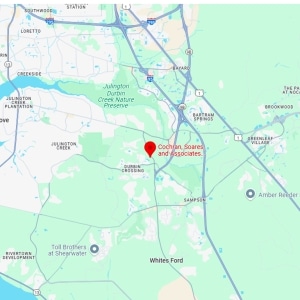
Families living along the State Road 9B interchange or commuting near Bayberry Road and Philips Highway can access compassionate, specialized care nearby. Located conveniently near the St. Johns Parkway, Durbin Park, and the St. Johns Town Center, our practice supports neurodiverse children with gentle excellence. Contact Cochran, Soares, and Associates Pediatric Dentistry today to schedule a personalized sensory-friendly consultation for your child.